

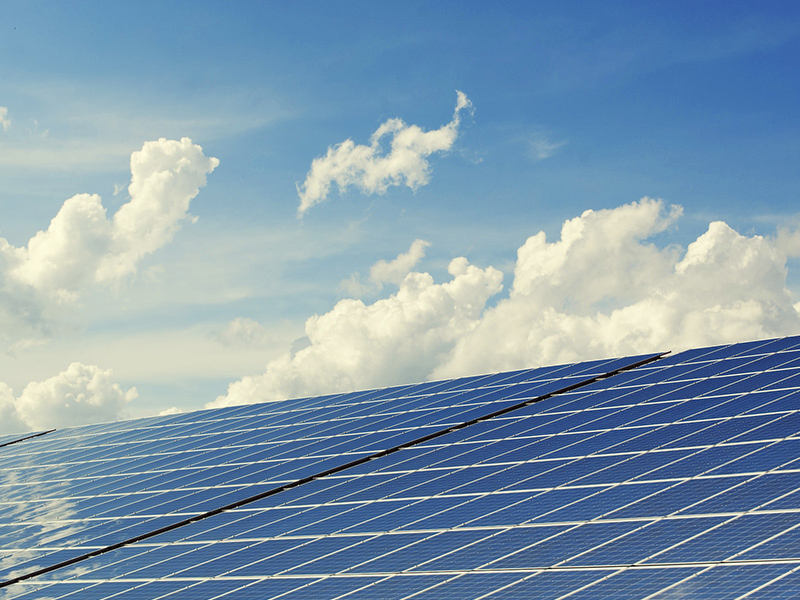
Solar Energy For Homes
As people become more conscious of their carbon footprint and the impact of non-renewable energy on the environment, solar energy is becoming an increasingly popular option for powering homes. Solar energy harnesses the power of the sun to generate electricity, making it a clean and renewable energy source. In this article, we will explore the benefits of solar energy for homes, how it works, and what homeowners should consider before making the switch.
How Solar Energy Works
Solar energy works by converting sunlight into electricity. Solar panels, also known as photovoltaic (PV) panels, are made up of silicon cells that absorb sunlight and convert it into direct current (DC) electricity. This electricity is then sent to an inverter, which converts it into alternating current (AC) electricity, which is the type of electricity used in homes.
Benefits of Solar Energy for Homes
a. Reduced Energy Costs
One of the most significant benefits of solar energy for homes is that it can significantly reduce energy costs. Once the initial investment in solar panels is made, homeowners can generate their own electricity, which can drastically reduce or eliminate their electricity bills.
b. Environmentally Friendly
Solar energy is a clean and renewable energy source that produces no greenhouse gas emissions. By switching to solar energy, homeowners can significantly reduce their carbon footprint and help combat climate change.
c. Increased Home Value
Installing solar panels can increase the value of a home. According to a study by the National Renewable Energy Laboratory, homes with solar panels sell for 4.1% more than homes without solar panels.
d. Energy Independence
By generating their own electricity, homeowners can become more energy independent and less reliant on non-renewable energy sources.
What Homeowners Should Consider
a. Upfront Cost
While solar energy can save homeowners money in the long run, there is an upfront cost associated with installing solar panels. Homeowners should consider their budget and financing options before making the switch to solar energy.
b. Roof Orientation and Shading
The orientation of a home's roof and any shading can affect the efficiency of solar panels. Homeowners should have their roof evaluated to determine the best placement for solar panels.
c. Local Regulations and Incentives
Local regulations and incentives can affect the cost and feasibility of solar energy for homeowners. Homeowners should research any local regulations and incentives before making the switch to solar energy.
d. Maintenance
While solar panels require minimal maintenance, homeowners should consider the cost and frequency of maintenance when deciding if solar energy is right for them.
Conclusion
In conclusion, solar energy is a clean and renewable energy source that offers many benefits for homeowners. By generating their own electricity, homeowners can reduce energy costs, increase their home value, become more energy independent, and help combat climate change. While there is an upfront cost associated with installing solar panels, the long-term savings can be significant. Homeowners should consider their budget, roof orientation and shading, local regulations and incentives, and maintenance before making the switch to solar energy.