

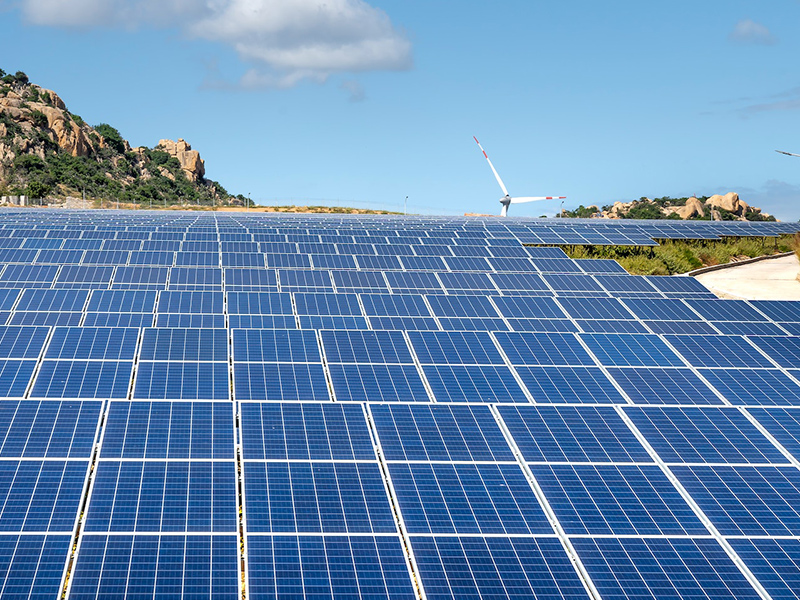
Sustainability and Renewable Energy
Industry News

Sustainability and Renewable Energy

Introduction

The world is witnessing a significant shift towards sustainability and renewable energy sources. People are realizing the consequences of non-renewable energy sources and their adverse impact on the environment. In this article, we will delve into the importance of sustainability and renewable energy and how they can help in the long-term preservation of the planet.

What is Sustainability?

Sustainability is the practice of using natural resources in a way that meets the present needs without compromising the ability of future generations to meet their own needs. It is the ability to maintain a balance between the economic, social, and environmental aspects of development. Sustainability aims to ensure that our actions today do not have an adverse effect on the planet in the future.

Reduced Greenhouse Gas Emissions
Renewable energy sources produce little to no greenhouse gas emissions, which helps reduce the impact of climate change.
Energy Independence
Renewable energy sources can reduce a country's dependence on non-renewable energy sources and foreign oil.
Job Creation
The renewable energy sector creates jobs in the manufacturing, installation, and maintenance of renewable energy systems.
Cost Savings
Renewable energy sources are becoming more affordable and can save consumers money on their energy bills.

Why is Sustainability important?

Sustainability is crucial for the preservation of the planet. The overuse of natural resources and the adoption of unsustainable practices have led to climate change, deforestation, air and water pollution, and the extinction of species. By adopting sustainable practices, we can reduce our carbon footprint, conserve natural resources, and minimize waste. Sustainability also promotes social justice, as it ensures that all members of society have access to resources and opportunities.

What is Renewable Energy?

Renewable energy is energy that comes from natural resources that are replenished over time, such as sunlight, wind, rain, and geothermal heat. Unlike non-renewable energy sources like fossil fuels, renewable energy sources are infinite and have a minimal impact on the environment.

Why is Renewable Energy important?

Renewable energy is essential for reducing our dependence on non-renewable energy sources like coal and oil. The use of non-renewable energy sources has led to greenhouse gas emissions, air and water pollution, and the destruction of habitats. Renewable energy sources have a minimal impact on the environment and do not contribute to climate change. Renewable energy also promotes energy independence and creates jobs in the renewable energy sector.

Types of Renewable Energy:

There are several types of renewable energy sources, including:
Solar Energy
Solar energy is the energy that is harnessed from the sun. It can be used for electricity generation, heating, and cooling.
Wind Energy
Wind energy is the energy that is harnessed from the wind. It can be used for electricity generation and water pumping.
Hydro Energy
Hydro energy is the energy that is harnessed from water. It can be used for electricity generation and irrigation.
Geothermal Energy
Geothermal energy is the energy that is harnessed from the earth's heat. It can be used for heating and cooling.
Biomass Energy
Biomass energy is the energy that is harnessed from organic matter. It can be used for electricity generation and heating.

Benefits of Renewable Energy:

Renewable energy has several benefits, including:
Reduced Greenhouse Gas Emissions
Renewable energy sources produce little to no greenhouse gas emissions, which helps reduce the impact of climate change.
Energy Independence
Renewable energy sources can reduce a country's dependence on non-renewable energy sources and foreign oil.
Job Creation:
The renewable energy sector creates jobs in the manufacturing, installation, and maintenance of renewable energy systems.
Cost Savings
Renewable energy sources are becoming more affordable and can save consumers money on their energy bills.

Challenges of Renewable Energy:

Renewable energy also faces several challenges, including:
Intermittency
Renewable energy sources like wind and solar are intermittent and can only produce energy when the wind is blowing or the sun is shining.
Energy Storage
Renewable energy sources require energy storage solutions to provide power when the wind is not blowing or the sun is not shining.
Infrastructure
Renewable energy infrastructure like wind turbines and solar panels requires space and can have an impact on local wildlife.

Conclusion

Despite these challenges, solar panels are an important part of sustainability and renewable energy. As technology improves and the cost of solar panels decreases, they will become an even more cost-effective and practical solution for powering homes and businesses without harming the environment.

Write a Comment

Your email address will not be published. Required fields are marked *

Categories

Select the fields to be shown. Others will be hidden. Drag and drop to rearrange the order.
  • Image
  • SKU
  • Rating
  • Price
  • Stock
  • Availability
  • Add to cart
  • Description
  • Content
  • Weight
  • Dimensions
  • Additional information
Click outside to hide the comparison bar
Compare